Preparing your gutters ahead of Denver’s heavy rainstorms is crucial to protect your home from water damage, ice dams, and costly repairs. With Denver’s unique weather patterns—including sudden heavy rainfall and snow melt—taking proactive steps can ensure your gutter system efficiently manages water runoff and keeps your property safe all year round.

Why Preparing Your Gutters for Heavy Rain Is Essential in Denver
Denver experiences unpredictable weather with frequent heavy rain and intense snow melt in winter and spring, creating challenges for every homeowner’s gutter system. Properly prepared gutters help manage stormwater by directing runoff away from your foundation, reducing moisture-related issues like basement flooding and erosion. Without proper maintenance, clogged or misaligned gutters can overflow, causing water damage to the siding, fascia boards, and potentially leading to ice dams during winter.
Stormwater management through well-maintained gutters also helps reduce environmental concerns by preventing soil erosion and pooling water around your gutter vacuum cleaning denver property. In Denver’s semi-arid climate, sudden heavy rains can overwhelm poorly maintained gutters, so preparation is key to keep water flowing smoothly and your home protected.
Inspecting Your Gutters Before the Rainy Season
Before the rainy season arrives, a thorough gutter inspection is critical. Begin by checking the overall alignment and pitch of your gutters to ensure water flows toward downspouts without pooling. Look closely at gutter flashing and brackets to confirm they are securely fastened and intact. Fascia boards behind gutters should be dry and free from rot or damage, as damaged fascia can compromise gutter stability.
Inspect your drip edge as well; this metal strip directs water off the roof into the gutters and prevents water from seeping underneath shingles. Any loose or damaged flashing and brackets must be repaired promptly to maintain structural integrity during heavy precipitation.
Identifying Common Gutter Problems That Affect Water Flow
Common gutter issues to look out for include sediment gutter maintenance denver co and debris buildup, which block water flow and cause overflow. Denver’s local trees, such as cottonwoods and pines, often contribute leaves and needles that accumulate quickly. Rust and cracks in older metal gutters can create leaks and weaken stability. Watch for water pooling in sections of your gutter or signs of overflowing during storms—these are indicators your gutters are not functioning properly and need attention.
Step-by-Step Gutter Cleaning Process for Heavy Rain Preparedness
Cleaning your gutters thoroughly will help prevent clogging during Denver’s heavy rains. Follow these steps for an effective cleaning routine:
- Start by removing large debris such as leaves, pine needles, and twigs by hand or with a small scoop. Flush the gutters with a hose to clear out smaller particles and check for proper water flow towards downspouts. Clear any clogs inside downspouts using a plumber’s snake or garden hose spray. Inspect the gutters for cracks or loose seams and reseal with gutter sealant if needed. Consider installing leaf filters or gutter screens to reduce future debris buildup.
Tools and Materials Needed for Effective Gutter Cleaning
Gather these essential tools to make the cleaning process smoother and safer:
- Sturdy ladder with stabilizer for safe access Gloves to protect hands from sharp debris Small garden trowel or gutter scoop Garden hose with spray nozzle Gutter sealant for minor repairs Gutter clamps or brackets for reinforcement Leaf filters or gutter guards for protection
How to Install Gutter Guards and Other Protective Accessories
Installing gutter cleaning and repair denver gutter guards is one of the best ways to reduce maintenance and improve debris prevention. There are multiple types available:
TypeMaterialCostEffectiveness Mesh ScreensAluminum, Stainless SteelModerateBlocks large leaves & debris Reverse CurveMetal or PlasticHigherDirects water, sheds debris Foam InsertsPolyurethane FoamLowEasy install, traps some debris Brush GuardsNylon BristlesLowKeeps out large debris
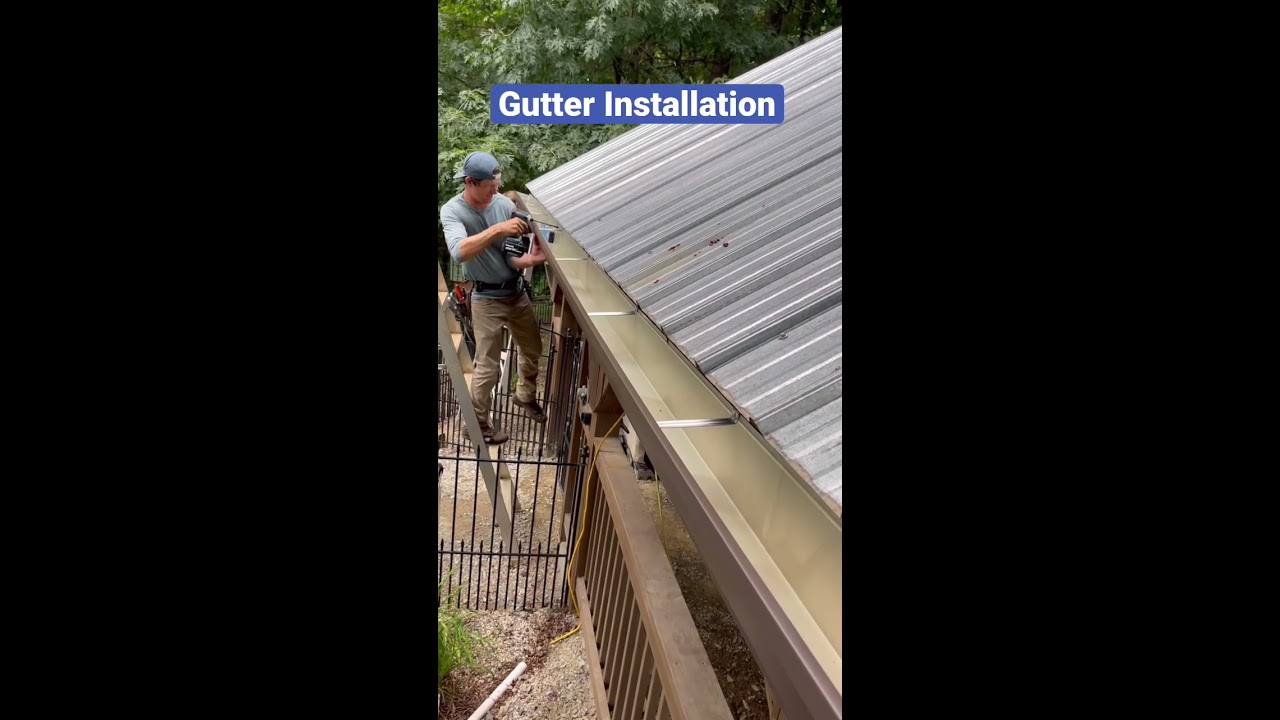
To install, first clean gutters thoroughly, then position guards securely with clips or screws, ensuring water flows uninterrupted into the gutters. Other accessories to consider include rain diverters that redirect water, gutter extensions to channel water farther from your foundation, and aesthetically pleasing rain chains that replace traditional downspouts.
Ensuring Proper Gutter Slope and Alignment for Optimal Rainwater Flow
A proper slope is essential to prevent standing water in gutters. The recommended slope is approximately 1/4 inch per 10 feet toward each downspout. Use a level tool to check your gutters’ pitch during inspection. Misaligned troughs or channels create blockages and overflow problems, especially during heavy rain.
If you detect sagging, use additional brackets or spikes to re-secure gutters firmly. Snow accumulation can exacerbate sagging issues, so addressing alignment is crucial before both rainy and snowy seasons.
Maintaining Downspouts and Water Drainage Systems
Downspouts direct collected water away from your home’s foundation, so keeping them clear and functional is vital. Remove any debris blocking downspout openings regularly and inspect the joints for leaks or corrosion.
Extend downspouts at least 4 to 6 feet away from your house to avoid water pooling near your foundation. Consider installing splash blocks or underground drainage piping to further carry water to safe discharge zones.
Routine gutter and downspout maintenance reduces the risk of basement flooding and protects landscaping from licensed gutter cleaners denver erosion caused by uncontrolled water flow.
Preventing Ice Dams and Snow Melt Issues in Winter
Denver winters bring snow and ice accumulation that can cause ice dams on gutters—frozen barriers that trap melting snow, leading to water backup under shingles and potential roof leaks.
To minimize ice dam risks:
- Keep gutters clean of debris to allow free water flow. Install gutter heating cables in vulnerable areas to prevent freezing. Ensure proper insulation and ventilation in attic spaces to reduce heat loss that causes uneven roof melting. Remove heavy snow piles from your roof safely using roof rakes.
Regular winter gutter maintenance prevents costly damage due to ice dams and trapped water.
Considerations for Rainwater Harvesting and Stormwater Management
Well-maintained gutters can also support eco-friendly rainwater harvesting systems. Collecting rainwater in barrels connected to downspouts provides sustainable irrigation water for gardens and lawns.
When designing a rainwater system, ensure gutters and downspouts are clean and connected properly. Incorporate filters to prevent debris contamination and overflow mechanisms for heavy storms.
Managing stormwater on-site also reduces runoff that can overwhelm Denver’s municipal drainage systems, helping prevent neighborhood flooding and soil erosion.
When to Call Professional Gutter Repair or Replacement Services
While many gutter maintenance tasks are DIY-friendly, professionals should be called when:
- Gutters show extensive rust, cracks, or holes requiring replacement. Fascia boards or gutter flashing need repair beyond cosmetic fixes. Your gutter system requires realignment or re-pitching on steep or complex roofs. Downspouts or drainage systems require redesign or installation upgrades. You lack safe access to high or difficult-to-reach gutters.
Professional services provide expert inspections and ensure your gutter system withstands Denver’s harsh weather conditions reliably and safely.
Seasonal Gutter Maintenance Checklist for Denver Homeowners
- Spring: Thorough cleaning after snow melt; inspect for ice dam damage Summer: Check for pest nests and repair leaks Fall: Remove falling leaves and prepare for winter snow Winter: Monitor ice buildup; clear snow from gutters as needed
Frequently Asked Questions (FAQs)
How often should I clean my gutters in Denver?
Cleaning twice a year—after spring snowmelt and in late fall—is recommended, but more frequent checks may be necessary if you have many nearby trees.
What type of gutter guard works best in heavy rain conditions?
Metal mesh guards offer durability and effective debris blocking while allowing heavy rain to pass through easily.
Can clogged gutters cause damage to my roof or foundation?
Yes, clogged gutters can lead to water overflow, damaging roofing materials, fascia boards, and causing foundation erosion or basement flooding.
How do I know if my gutters are properly sloped?
Use a level tool; gutters should slope 1/4 inch for every 10 feet towards downspouts to ensure proper drainage.
What are the warning signs of water damage around gutters?
Look for peeling paint, wood Take a look at the site here rot on fascia, interior water stains, mold growth, or pooling water near your foundation.
Are there special considerations for gutters during snow melt season?
Yes, keep gutters clean, install heating cables if necessary, and ensure good attic insulation to prevent ice dams.
When is it necessary to replace gutters instead of repairing them?
Replacement is advised when gutters have extensive rust, cracks, or structural damage affecting their function.
Properly preparing your gutters for Denver’s heavy rain and snow melt seasons safeguards your home against costly water damage and extends the life of your roofing and drainage systems. By following these step-by-step maintenance tips, installing protective accessories, and scheduling regular inspections, you ensure your gutters perform optimally year-round. Don’t wait for the storms—take action today to protect your home and enjoy peace of mind throughout 2025 and beyond.
